
Traumatic Brain Injury (TBI) is one of the most serious but invisible effects of a car crash. Recognizing symptoms and seeking medical and legal help is essential. According to the Centers for Disease Control and Prevention (CDC) Traumatic Brain Injury Data and Statistics, about 69,000 Americans died from TBI-related causes in 2021, averaging nearly 190 deaths each day. Many live with long-term effects that affect work, relationships, and mental health. For Missouri victims, understanding these injuries and how to prove them legally can mean the difference between recovery and lifelong suffering. TBI Missouri is a primary focus for our legal team.
At Harper, Evans, Hilbrenner & Netemeyer, our Missouri-based personal injury attorneys use medical evidence and legal expertise to help clients secure fair compensation for brain injuries caused by car accidents.
Key Takeaways
- Even low-speed collisions can cause concussions or brain injuries.
- Symptoms may appear hours or days later, making early evaluation essential.
- Imaging techniques, such as CT scans and MRIs, help document the severity of injuries.
- Missouri law generally allows five years to file a personal injury claim.
- Legal guidance strengthens claims and ensures fair compensation.
Traumatic Brain Injury in a Car Accident: What Happens to the Brain
Brain injuries often result from the sudden motion of impact during a crash. Even without a direct head strike, internal movement can cause severe damage.
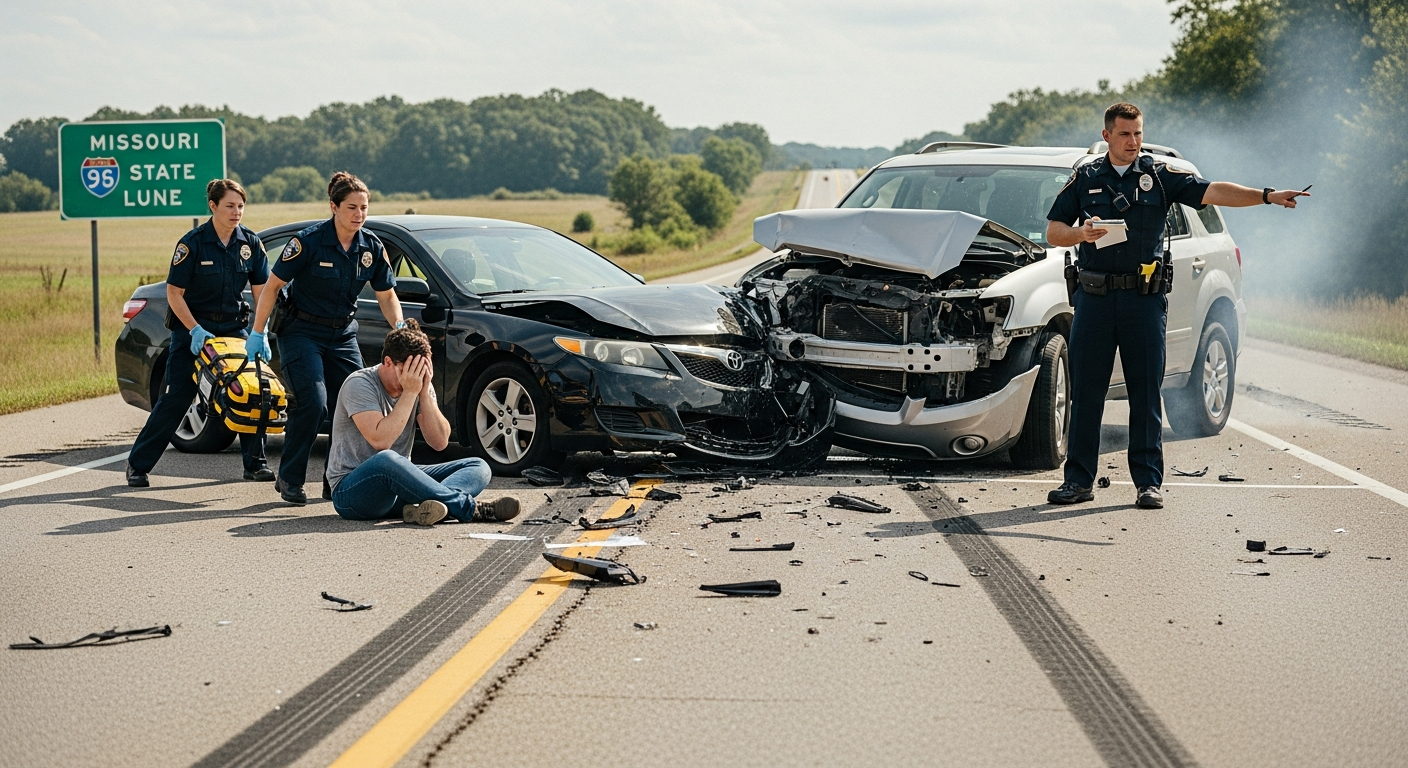
Brain injuries are often hidden after high-impact crashes, making immediate medical attention crucial
The Mechanics of Brain Trauma
- Sudden acceleration or deceleration: The brain continues to move inside the skull, striking bone and causing bruising or microscopic tearing.
- Diffuse axonal injury: The National Institute of Neurological Disorders and Stroke (NINDS) Traumatic Brain Injury Overview explains that nerve fibers can stretch or tear, disrupting communication between brain cells.
- Rotational forces: These twisting movements can damage deeper brain tissues, often resulting in lasting neurological effects.
The Bigger Picture
The National Highway Traffic Safety Administration (NHTSA) 2023 Traffic Fatalities Report recorded over 40,000 U.S. traffic deaths in 2023, with traumatic brain injuries contributing heavily to severe crash outcomes. Many survivors suffer cognitive or emotional changes long after physical wounds heal. Early medical intervention and documentation form the foundation for both recovery and a successful legal case.
Traumatic Brain Injury Symptoms: Recognizing the Signs of a Brain Injury
Brain injuries can vary widely in symptoms and severity. Recognizing the signs early protects health and supports future claims.
Physical Symptoms
- Persistent headaches or pressure in the head
- Nausea, vomiting, dizziness, or balance issues
- Sensitivity to light or sound
- Fatigue or difficulty focusing.
Cognitive and Emotional Symptoms
- Memory lapses or confusion
- Difficulty concentrating or slowed responses
- Irritability, anxiety, or depression
- Sudden emotional changes or mood swings
According to the Mayo Clinic Traumatic Brain Injury Resource, concussion symptoms may develop gradually over hours or days. Seeking prompt medical care ensures an accurate diagnosis and creates vital documentation for legal purposes.
Diagnostic Tools and Medical Standards
Doctors use specialized tools and protocols to diagnose and monitor brain injuries.
Diagnostic Methods
- CT Scans: Identify bleeding or swelling in the brain.
- MRIs: Detect subtle injuries not visible on CT.
- Neuropsychological tests: Assess memory, reasoning, and focus.
- Glasgow Coma Scale: Measures responsiveness and level of consciousness.
Clinical Guidance
The CDC Mild Traumatic Brain Injury Management Guideline for Adults (2025) advises using validated imaging tools and personalized discharge instructions. The American College of Emergency Physicians (ACEP) 2023 Clinical Policy confirms that stable patients with regular CT scans do not require repeat imaging. Together, these standards ensure accurate diagnosis and consistent patient follow-up.
Thorough diagnostic records are essential in both recovery and legal proceedings, as they help attorneys demonstrate the full extent of the injury.
Long-Term Effects of Traumatic Brain Injury
Brain injuries can create persistent challenges that affect every aspect of life. The National Institute of Neurological Disorders and Stroke (NINDS) Brain Injury Research shows that even mild TBIs can cause prolonged symptoms, while severe cases may lead to lasting disability. Comprehensive legal claims ensure victims can afford ongoing rehabilitation and adapt to lifestyle changes after a TBI in Missouri.
Common Long-Term Effects
- Chronic headaches or migraines
- Difficulty concentrating or communicating
- Emotional instability, depression, or anxiety
- Sleep disorders or post-traumatic epilepsy
Recovery often involves long-term physical, occupational, and cognitive therapy.
Why Brain Injuries Are Difficult to Prove
Brain injuries are often invisible, creating unique challenges in both diagnosis and litigation.
Common Obstacles
- Delayed onset: Symptoms may not appear until days after a crash.
- Routine imaging: Structural scans may not reveal functional brain damage.
- Subjective reports: Symptoms like fatigue or memory loss are more complex to quantify.
Research from the National Library of Medicine Traumatic Brain Injury Studies indicates that mild TBIs are frequently missed in emergency settings. Documenting symptoms, maintaining consistent treatment, and consulting medical experts can strengthen a legal claim.
Filing a Traumatic Brain Injury Claim in Missouri: Legal Essentials
Pursuing compensation requires clear evidence and an understanding of Missouri’s legal process. Insurance companies may undervalue invisible injuries. Experienced attorneys ensure clients receive full consideration for both current and long-term damages for Traumatic Brain Injury in Missouri.
Legal Essentials
- Filing timeline: Missouri Revised Statutes Section 516.120 provides victims five years to file most personal injury claims.
- Proof of negligence: Lawyers must establish fault and causation.
- Comprehensive evidence: Medical imaging, therapy notes, and expert opinions support the claim.
Securing Compensation for Cognitive and Emotional Losses
Brain injuries often lead to economic strain and emotional hardship. Victims deserve fair compensation for all losses.
Categories of Compensation
- Medical expenses: Emergency care, therapy, medications, and follow-ups.
- Lost income: Time missed from work and future earning limitations.
- Pain and suffering: Emotional and psychological consequences of injury.
- Loss of enjoyment: Reduced ability to participate in activities or relationships.
The National Safety Council Injury Facts Database reports that disabling head injuries cost an average of $167,000. The attorneys at HEHN collaborate with medical and economic experts to calculate accurate compensation reflecting both short-term and lifelong needs.
Conclusion: Financial recovery enables victims to focus on physical and emotional healing while ensuring justice for the harm they have suffered.
Frequently Asked Questions
- What distinguishes a concussion from a traumatic brain injury? A concussion is a mild form of TBI that temporarily affects brain function. Severe TBIs cause more extensive and lasting damage.
- How long after a car crash can brain injury symptoms appear? Some symptoms develop immediately, while others may take days or weeks to appear. Continuous medical monitoring is essential.
- What evidence supports a brain injury claim? Imaging results, physician evaluations, therapy records, and expert testimony provide the most substantial proof.
- What is the Missouri deadline for filing a brain injury claim? Victims generally have 5 years to file a personal injury lawsuit; however, taking early action can help preserve critical evidence.
- Can emotional distress be included in a brain injury claim? Yes. Emotional and psychological trauma, including anxiety or post-traumatic stress, may be compensable if well-documented.
How We Can Help You Rebuild After a Brain Injury
Recovering from a brain injury requires strength, support, and skilled legal guidance. Our attorneys combine compassion with strategic representation to ensure every client receives justice.
Our Commitment
- Comprehensive case evaluation: We collect all medical evidence, witness statements, and expert analyses.
- Collaborative advocacy: We work closely with neurologists, therapists, and economists to build powerful cases.
- Contingency-based representation: Clients pay nothing unless we win compensation.
If you or a loved one sustained a brain injury in a car accident, contact us today for a free consultation. Our firm will fight to restore your health, dignity, and financial stability.